
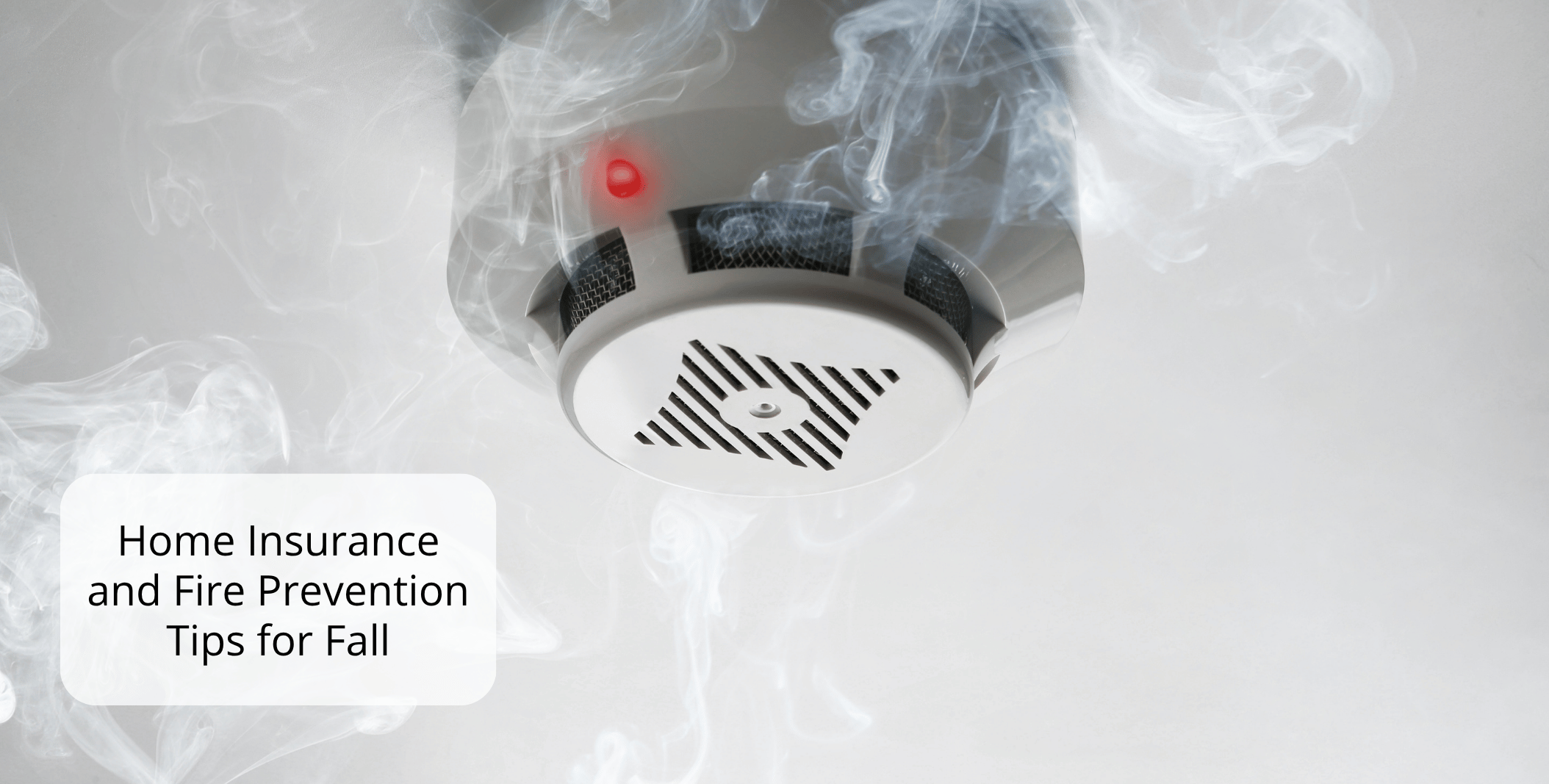
As temperatures drop during autumn, heating systems, fireplaces, and seasonal items are often brought into regular use. Taking proactive steps around the home can help reduce fire hazards, while reviewing policy terms helps homeowners understand how insurance applies if an unexpected fire occurs.
Seasonal Heating and Property Factors
Fall fire prevention strategies typically focus on areas where heat sources or dry organic materials are present:
- Heating System Maintenance: Many homeowners schedule an inspection of furnaces, heat pumps, or boilers to help identify potential mechanical issues before regular seasonal operation.
- Chimney and Fireplace Care: Clearing creosote buildup from chimneys and utilizing protective spark screens are common practices before lighting seasonal fires.
- Space Heater Clearance: Placing space heaters on flat surfaces and keeping flammable items—such as drapes, blankets, or furniture—at a safe distance is a standard safety measure.
- Yard and Gutter Maintenance: Clearing dry leaves, pine needles, and yard debris away from exterior walls and roof gutters can help reduce combustible materials near the structure.
- Smoke Alarm Testing: Checking batteries and verifying that smoke detectors function properly across all levels of the home is a routine precaution.
Comparing Fall Heat Sources and Safety Considerations
| Heat Source | Common Inspection Item | Risk Considerations |
| Central Furnace | Filter replacement and burner inspection | Dust accumulation and mechanical wear |
| Fireplaces & Wood Stoves | Flue liner checks and creosote removal | Embers, soot buildup, and ventilation blockage |
| Portable Space Heaters | Cord condition and tip-over shutoff features | Overloaded outlets and close proximity to fabrics |
| Yard Debris Burning | Local ordinance checks and containment barriers | Uncontrolled wind spread and dry brush |
How Homeowners Policies Typically Address Fire Damage
Standard homeowners insurance policies generally include fire as a covered peril. While specific terms and limits vary, policies often contain several core components:
- Dwelling Coverage (Coverage A): May assist with costs to repair or rebuild the physical structure of the home if damaged by fire.
- Personal Property Coverage (Coverage C): Can help cover the repair or replacement of furniture, clothing, and household items, subject to policy limits and valuation rules (such as RCV or ACV).
- Loss of Use / Additional Living Expenses (Coverage D): May reimburse temporary housing and food expenses if a covered fire renders the home temporarily uninhabitable.
Reviewing Coverage Details
Fire damage protection is subject to specific policy deductibles, limits, and potential endorsements. An independent insurance professional can help explain coverage limits, discuss home inventory options, and review how policy terms apply to your household. All final choices regarding coverage selections remain the responsibility of the policyholder.
Disclaimer: The information provided in this article is for educational purposes only and does not constitute a legal contract or policy. Coverage options, deductibles, limits, and exclusions vary by state, insurance carrier, and individual policy terms. All claims are subject to the specific terms and conditions of the active policy. It is recommended to consult with a qualified insurance professional to review your specific home insurance options.